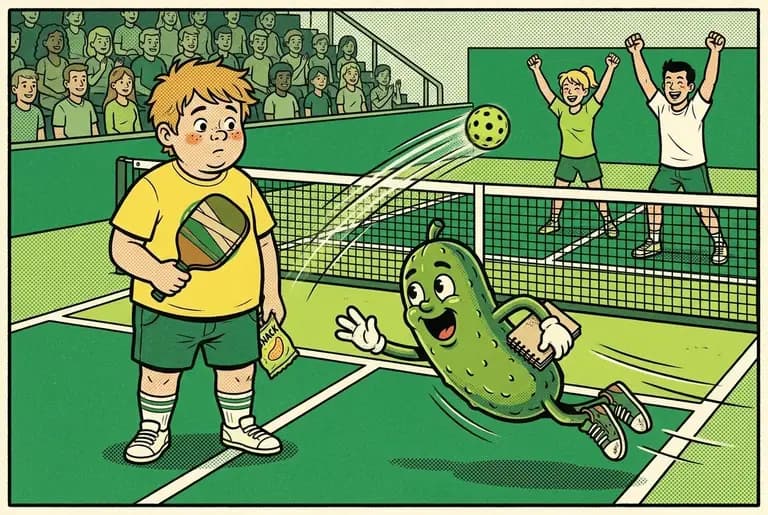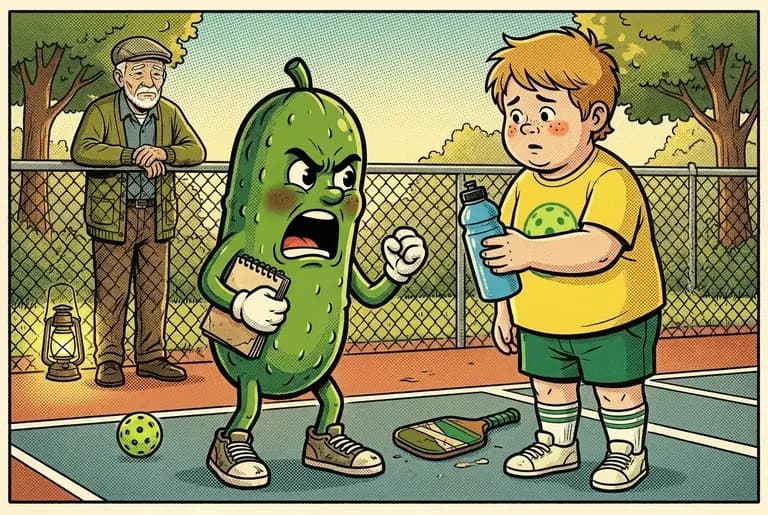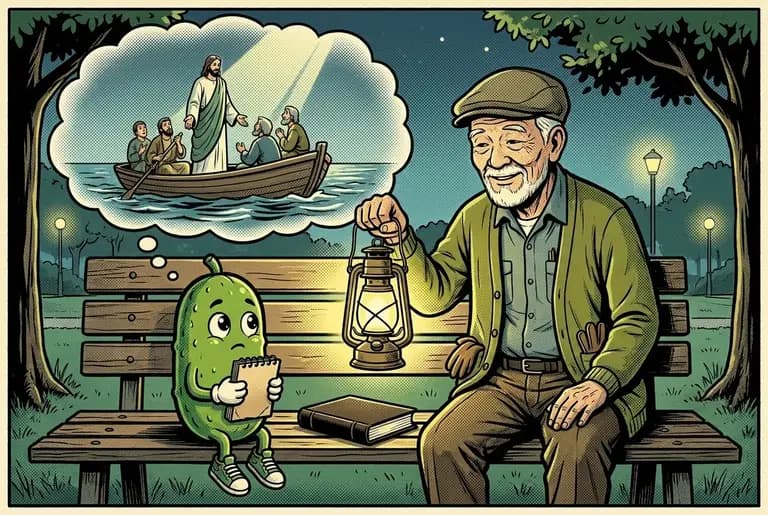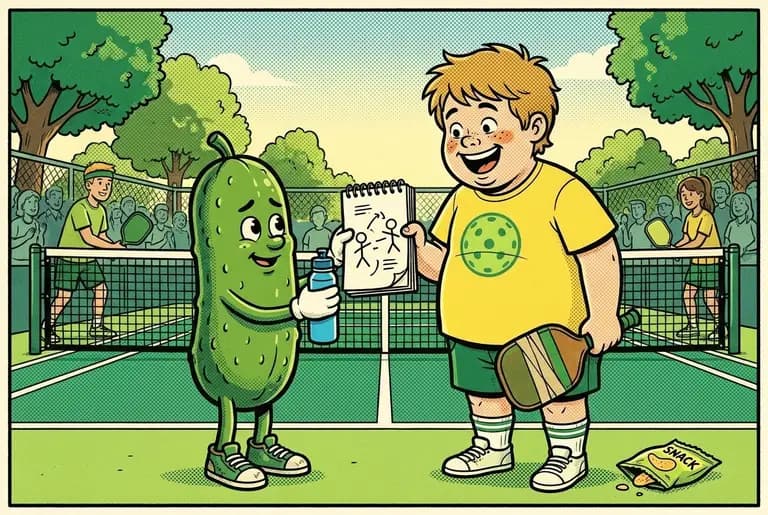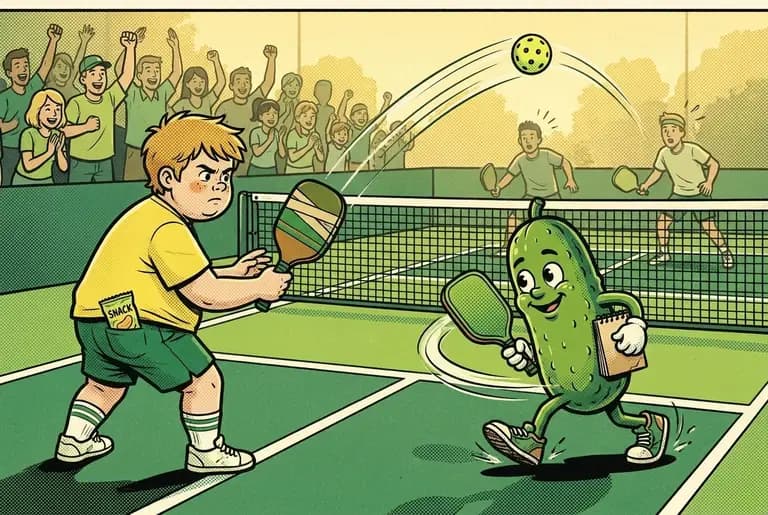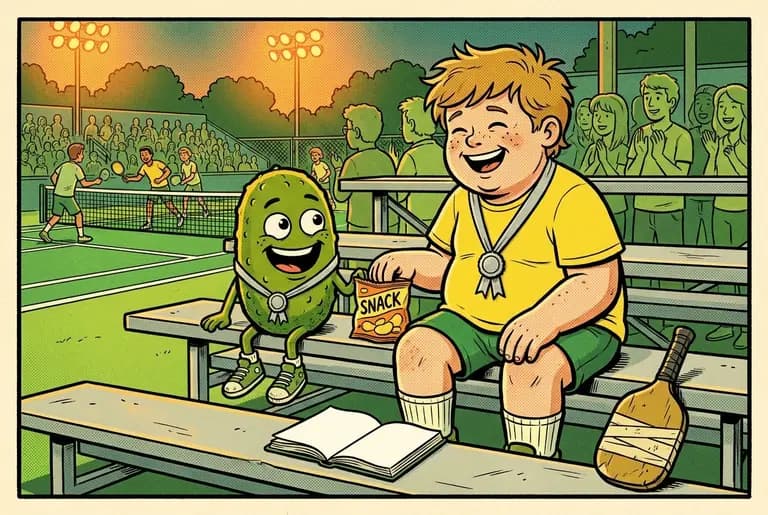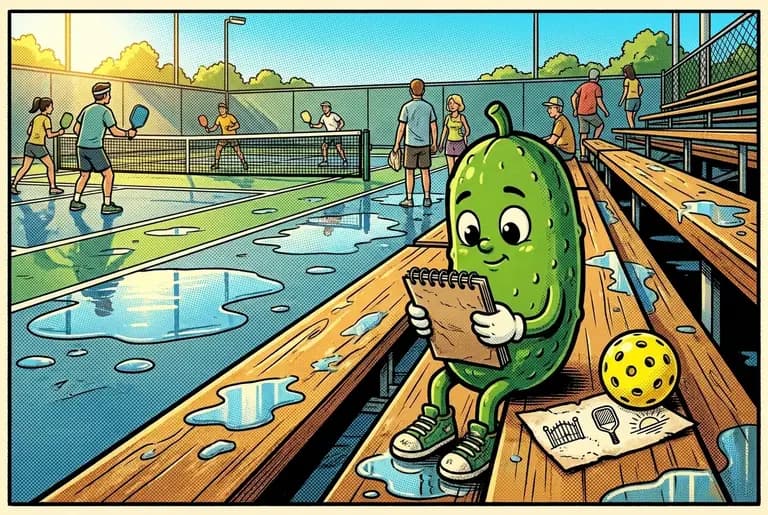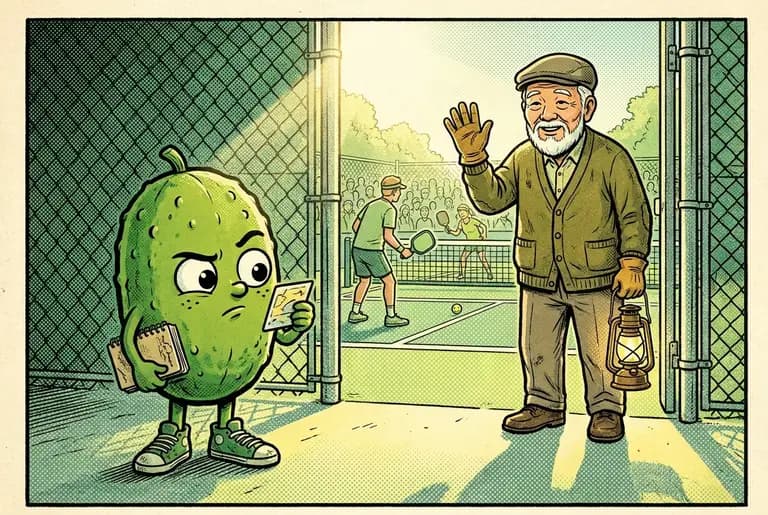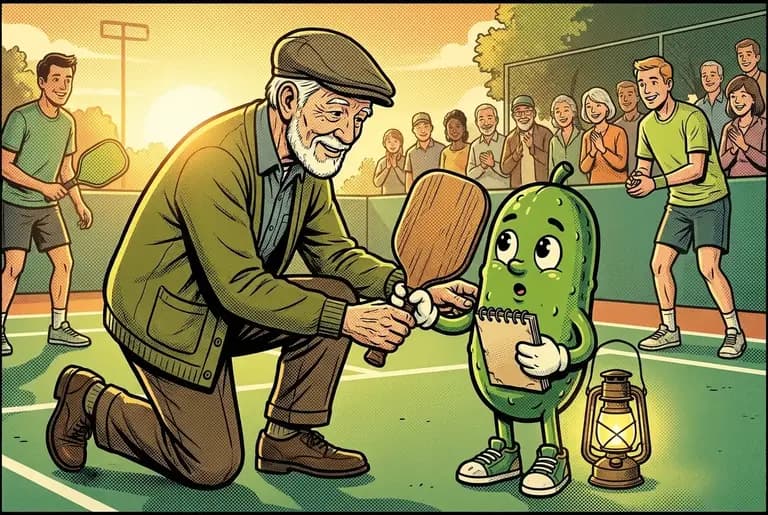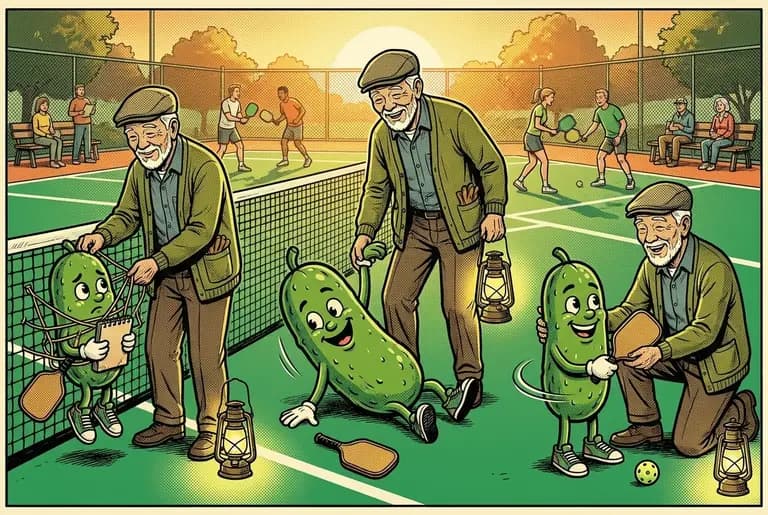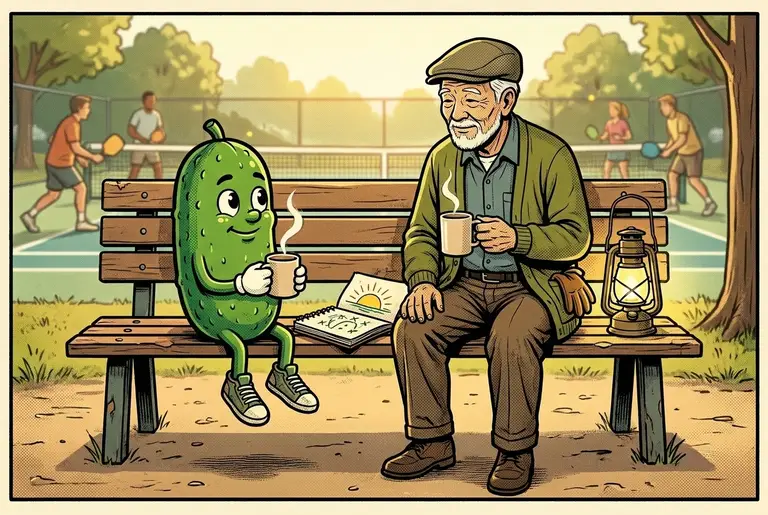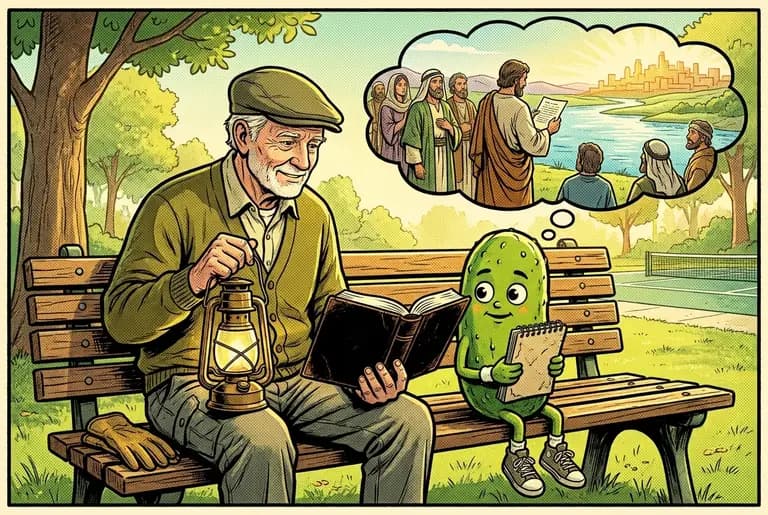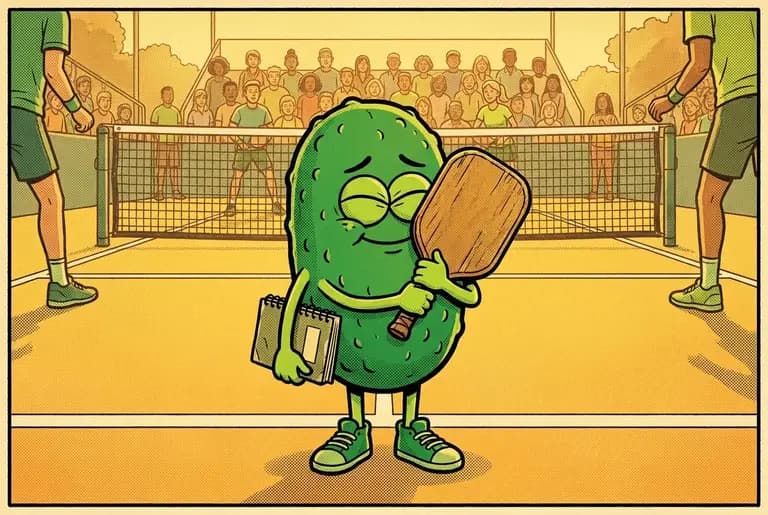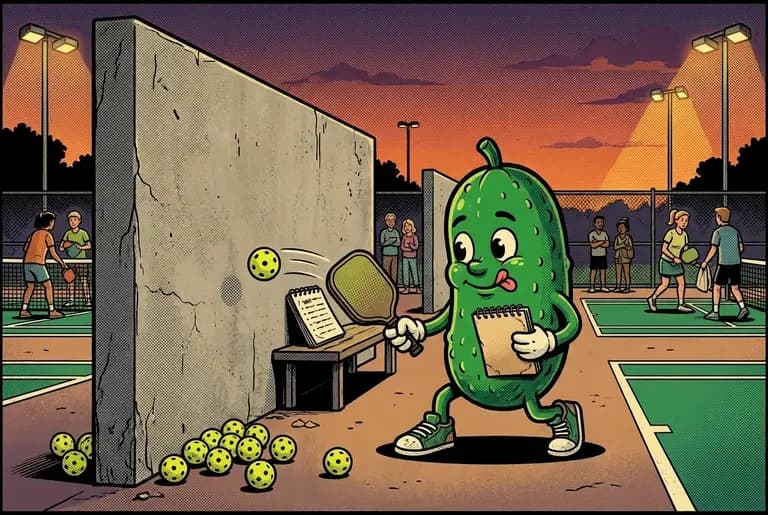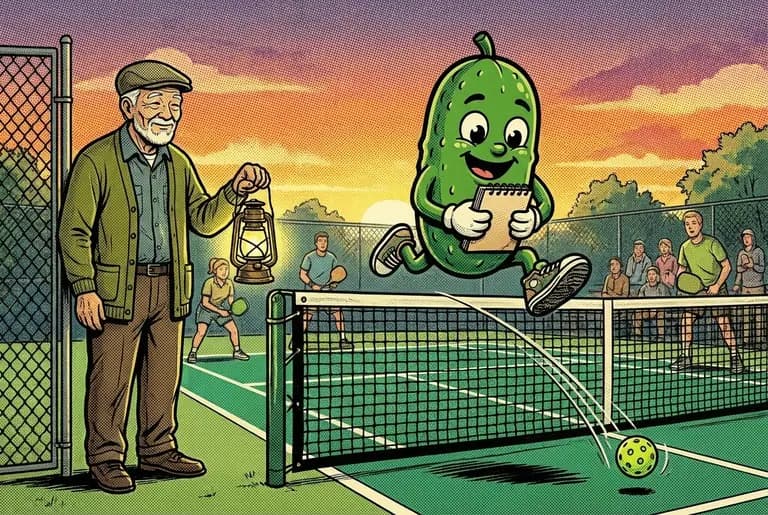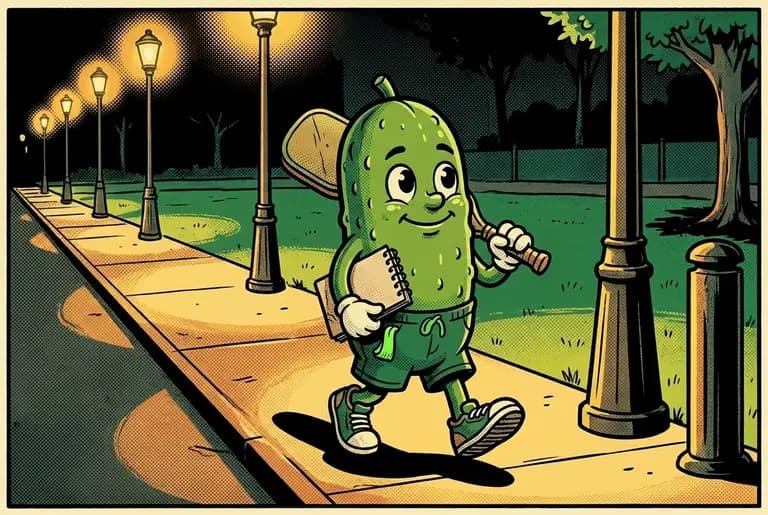
Before the sweatband. Before the courage. One small pickle, looking for the meaning of it all.

Comics

Dill: Origins

Every legend has a chapter one. Before the sweatband, before the friends, before anyone at Covenant Courts knew his name, Dill was the smallest kid on the bleachers and the only pickle anyone had ever seen: a quiet, endlessly curious boy with a notebook full of strategies and a heart slowly pickling in fear and anger. This four-part origin saga is his hero's journey โ€” the lonely years and the night everything broke; the mysterious invitation and the old groundskeeper who saw a champion where everyone else saw a garnish; the burden that proved too heavy to carry alone; and the day a scared, angry little pickle finally understood that God had been writing him into a bigger story all along. It is a story of failure, training arcs, found family, and a dream that refuses to die: to become the best โ€” not instead of everyone else, but for them. If you have ever felt too small, too odd, or too far behind, chapter one is yours.

A new issue drops every week.

Meet the cast

Dill

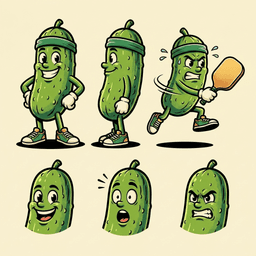
The quiet heart of the courts. Endlessly curious and growth-minded, Dill reads people as well as he reads the game: an insightful, purpose-driven soul who cares more about who you become than who wins. Fear and anger used to run his life, until God's love turned them into courage and kindness. This is how that happened.

Issue #10

The Champion's Heart

Based on Origin, Part 4 โ€” wise as serpents, harmless as doves (Matthew 10:16)
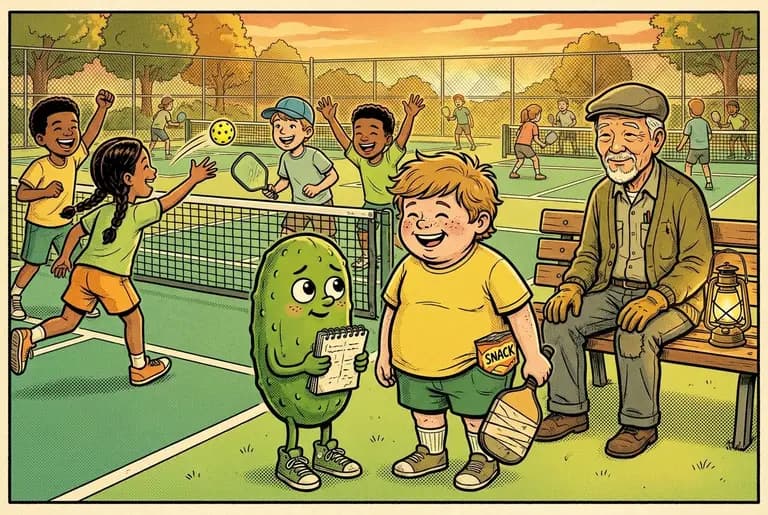
Covenant Courts alive at golden hour: teen Dill and Sam at the center of a grown crew of young players drilling, laughing, and learning together, the groundskeeper watching from his bench.

The list of people kept growing. Somewhere between the drills and the snack breaks, the loner had accidentally built a family.

Sam: Crew meeting! Dill drew us ALL into the notebook. Even you, Marcus. ESPECIALLY you.

Young Dill: Page one is still blank. Saving it.
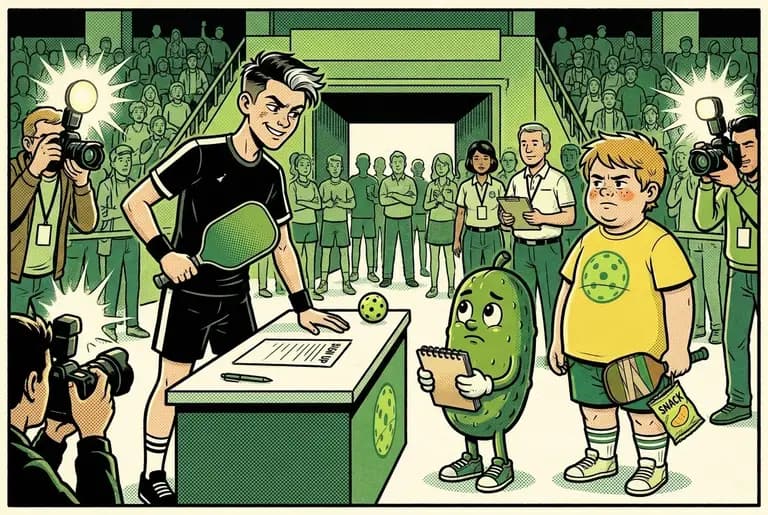
City Championship sign-ups: a sneering lean prodigy in an all-black kit with a silver streak in his hair looks Dill's crew up and down while flashbulbs pop around him.

Then the City Championship came, and with it Blitz: undefeated, unsponsored by humility, and unimpressed.

Blitz: The pickle and the snack squad. Adorable. I eat adorable for breakfast.

Young Dill: We know. We've seen your breakfast interviews.
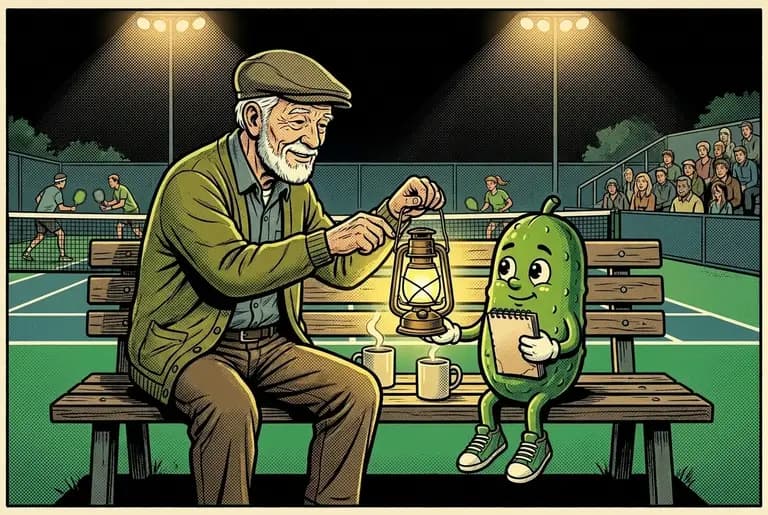
Night before the final: the groundskeeper, older and slower, hands his brass lantern to Dill on the bench, both of them quiet under the court lights.

That night, the old man met him at the bench with two cups and one announcement. His knees were retiring. His lantern was not.

Groundskeeper: Someone has to light this place after me. I did my scouting years ago.

Young Dill: ...I still don't know the play for this.
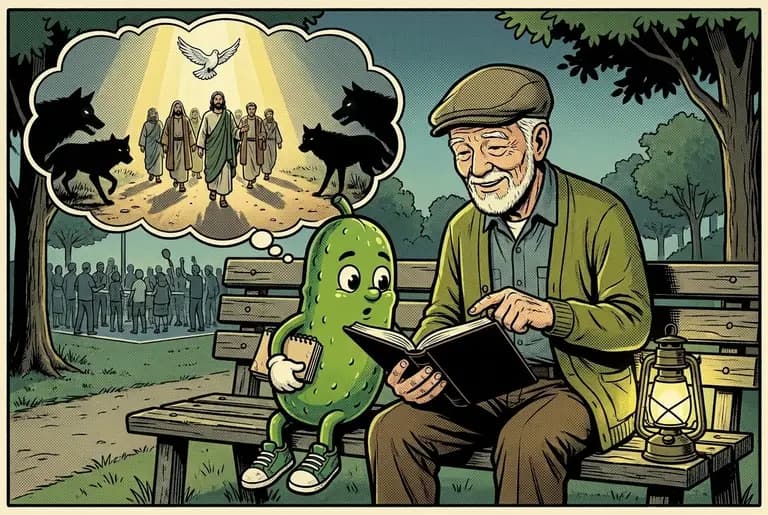
The Bible open between them one last time; a dream cloud shows robed disciples sent out along a road between wolf shadows, a white dove flying ahead of them in the light.

Then, one last story for the road: friends sent out into a world with teeth, carrying only wisdom and gentleness.

Groundskeeper: 'Wise as serpents, harmless as doves.' Both, kid. At the same time. That's the whole trick.

Young Dill: Strategy AND kindness. ...That's been the play the whole time?

โ€œ"Behold, I send you out as sheep among wolves. Therefore be wise as serpents, and harmless as doves.โ€ โ€” Matthew 10:16 (WEB)

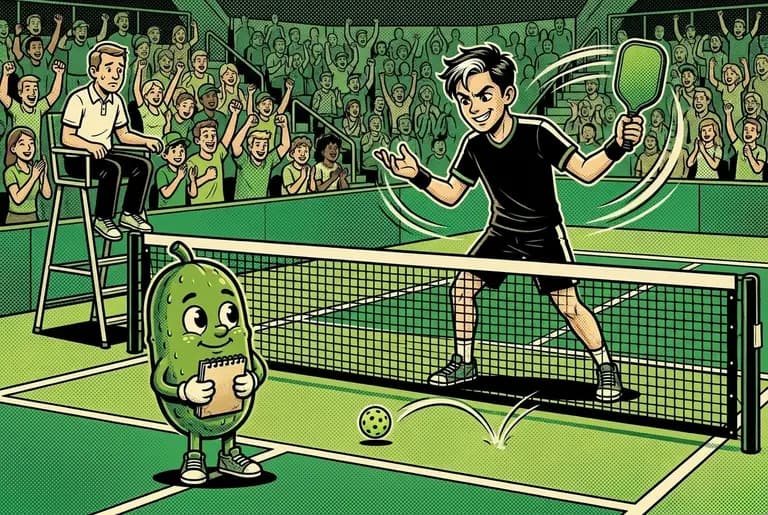
The final: Blitz smashes and taunts across the net while the referee hesitates over a line call; Dill stands calm at the kitchen line, crew and groundskeeper in the packed stands.

The final was everything they warned him about. Wolves don't dink. And the line calls kept going wolf-shaped.

Blitz: Out! Clearly out. Ask anyone on my payroll.

Young Dill: It caught the line. But take the point โ€” you'll want the memory.

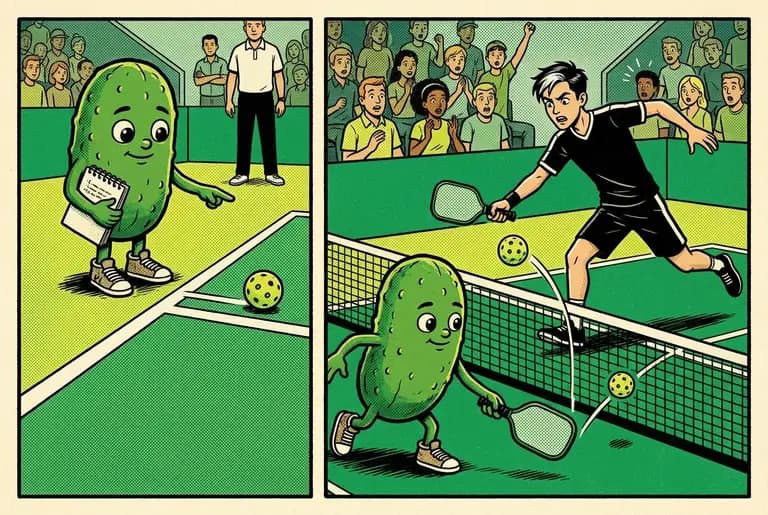
Split-action panel: Dill calls his own ball out against himself on one side, and on the other executes a perfectly disguised strategic drop shot that leaves Blitz frozen.

So Dill played the only way he had left to play: dove-honest, serpent-smart. He gave away a point the referee missed... and stole every one that mattered with his brain.

Young Dill: Mine was out. Your point.

Blitz: Stop being NICE, it's THROWING OFF MY WHOLE THING.
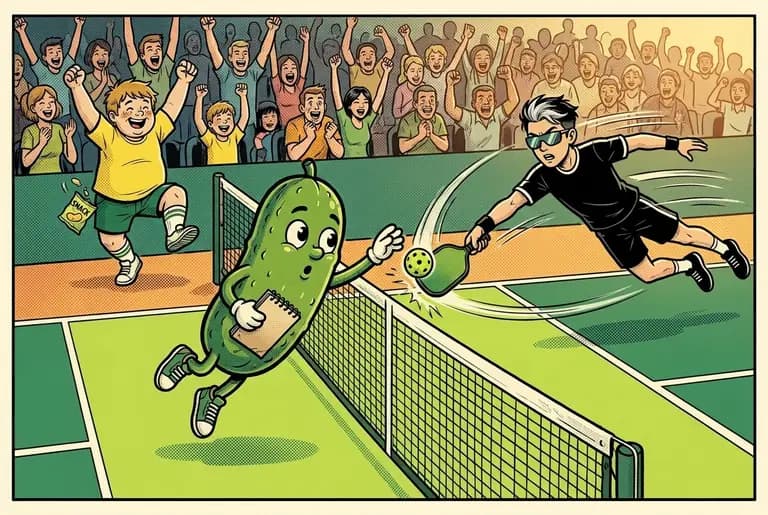
Match point: a long breathless rally where Dill's play visibly echoes his friends โ€” Sam's soft hands, the crew's drills โ€” ending with a feather-soft winning dink dropping over the net.

Match point lasted thirty-nine shots. If you knew the crew, you could see every one of them in it. The last shot was pure Sam: soft as a whisper, impossible as a miracle.

Sam: THAT'S MY DINK! HE USED MY DINK!
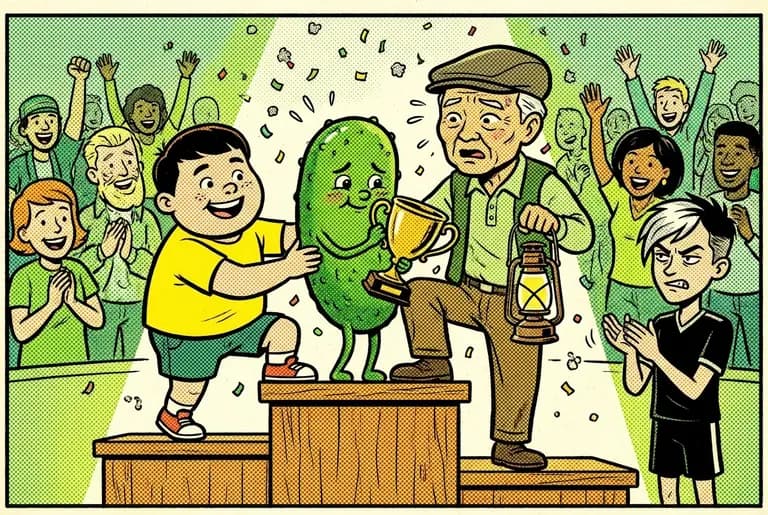
The podium: Dill hauls Sam, the whole crew, and the embarrassed groundskeeper up beside him as the trophy is presented, confetti everywhere; even Blitz claps despite himself.

They handed him the cup, and he did the most Dill thing in recorded history: he made the podium a group photo. Press toward the goal โ€” and find out the prize has been standing beside you the whole way.

Young Dill: Champions, plural. Get up here. You too, old man.

Blitz: ...okay, that's โ€” that's actually kind of great. WHATEVER.
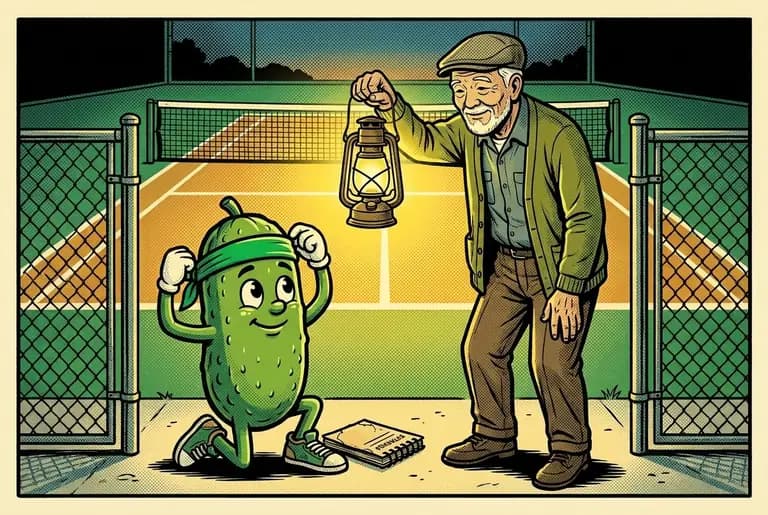
Dusk at the gate: Dill takes the rolled green headband from his pocket and ties it on for the first time, the groundskeeper holding the lantern high, both smiling.

At the gate, with everyone gone home, he finally took it out of his pocket. It had waited years for a head that worked this hard โ€” and a heart that had caught up.

Groundskeeper: There he is. Told you you'd know the day.

Young Dill: It fits. How did you know it would fit?
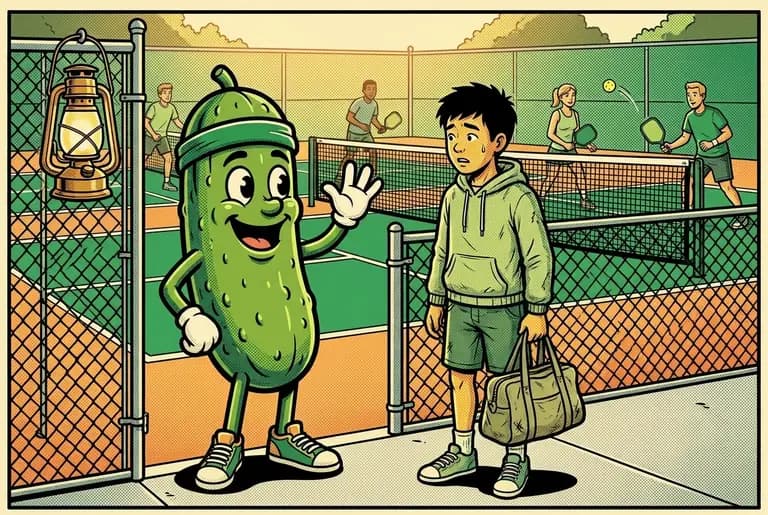
Bridge to today: adult Dill in his green sweatband stands at the open gate of Covenant Courts in morning light, lantern hanging polished by the entrance, waving in a nervous newcomer with a scuffed bag.

Years later, the gate still opens early. The lantern still hangs polished by the entrance. And a pickle in a green headband still watches the bleachers for anyone sitting alone โ€” because champions, around here, are how the light gets passed.

Dill: Hey. Courts are better with you on them. Come on in.

The moral

The world tells you to choose: be clever or be kind, win or be good. Jesus handed His friends both at once โ€” wise as serpents, harmless as doves โ€” and sent them straight into the wolves. Dill's strategic brain was never the problem, and neither was his soft heart. The champion was born the day they finally played on the same side. Press on toward the goal (Philippians 3:14): the prize at the end was never just a cup.
Issue #9

The Long Rally

Based on Origin, Part 3 โ€” love casts out fear (1 John 4:18)

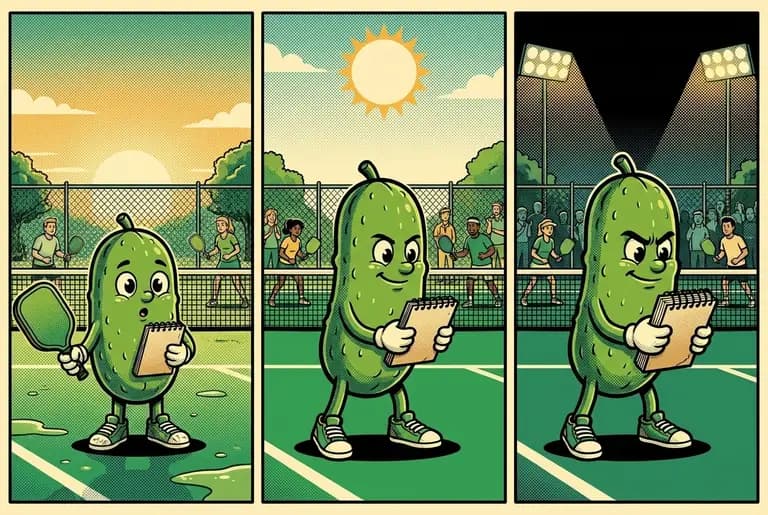
Seasons-later montage: a taller young Dill drills alone at dawn, alone at noon, alone under court lights, his notebook thick with plays, other players visible but always at a distance.

Years passed. The kid got good. Really good. Alone at dawn, alone at dusk โ€” the notebook never let him down, and he never let anyone close enough to try.

Young Dill: Trust the plan. Plans don't laugh.

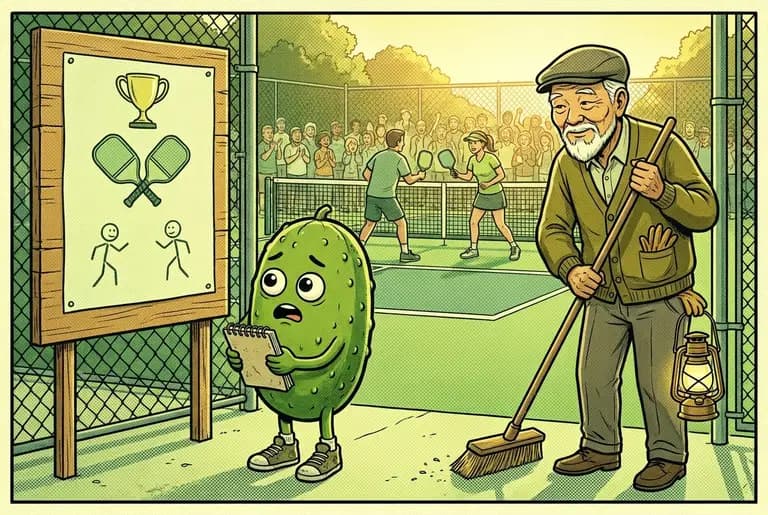
A poster board by the gate announces the Harvest Cup doubles tournament as young Dill stares at it, thrilled then horrified, while the groundskeeper sweeps nearby hiding a smile.

Then the Harvest Cup came to Covenant Courts. His dream tournament. One catch, printed right there on the board: doubles only.

Young Dill: Doubles. As in... two. As in, a PERSON. Next to me. All match.

Groundskeeper: Terrifying, isn't it? Partners can't be planned.

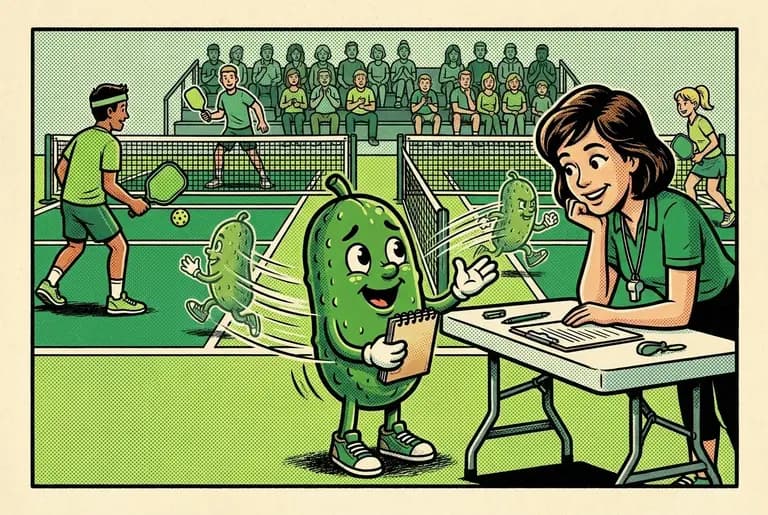
Comedy beat: young Dill at the sign-up table pleading with an amused organizer while demonstrating how fast he can run between both sides of the court.

He tried everything. Including a formal petition to be his own partner.

Young Dill: Watch โ€” I can cover both sides. I've done cardio. SO much cardio.

Organizer: Kid, the rulebook says two players. And honestly? So does life.

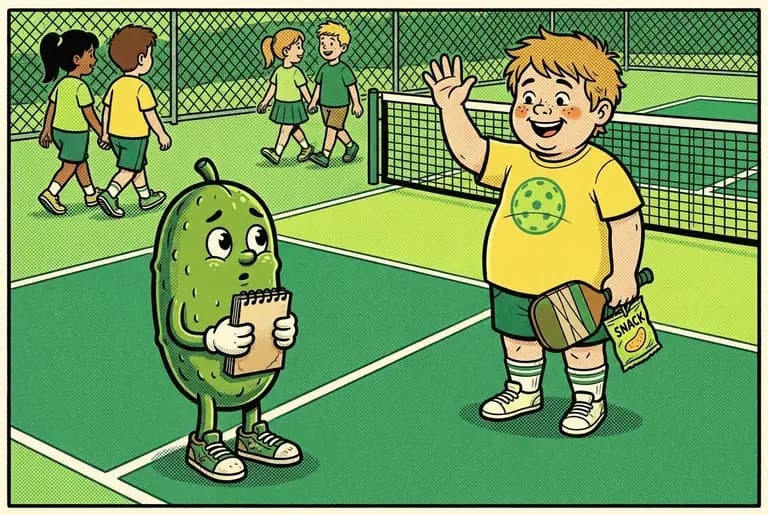
The partner draw: everyone pairs off except young Dill and Sam, a round cheerful freckled boy waving happily with a battered paddle and a bag of snacks.

The draw left exactly two names unclaimed. His... and Sam's. Sam, whose paddle had tape on the tape.

Sam: Partner! I brought snacks for both of us! I always bring two, just in case!

Young Dill: In case of what? You've never HAD a partner.

Round one disaster: young Dill lunges across Sam's side of the court taking every ball while Sam stands untouched; the ball rockets past them both.

Round one. Dill played both sides after all โ€” just with Sam standing on one of them. Fear takes every ball. Fear loses every ball.

Young Dill: MINE! Mine! Also mine! ALL of them areโ€”

Sam: That one was very yours.

The old anger flashes: young Dill snaps, cheeks dark, while Sam quietly holds out a water bottle; behind the fence the groundskeeper watches with sad, knowing eyes.

They lost by a mile. And out of the old jar came the old brine, all at once.

Young Dill: This is WHY I play alone! Everyone's just something else to lose WITH!

Sam: ...I saved you the blue bottle. It's the good one.

Nightfall on the bench: the groundskeeper's Bible open between him and young Dill, a dream cloud showing Jesus standing calm in a boat on a stilled sea, disciples' fear draining away.

That night the bench was waiting again. So was a story about grown men in a boat, screaming at a storm โ€” and the one Voice that wasn't afraid.

Groundskeeper: 'There is no fear in love. Perfect love casts out fear.'

Young Dill: I wasn't guarding the court, was I. I was guarding me.

โ€œThere is no fear in love; but perfect love casts out fear, because fear has punishment. He who fears is not made perfect in love.โ€ โ€” 1 John 4:18 (WEB)

Losers' bracket morning: young Dill offers Sam the blue water bottle and an outstretched paddle handle โ€” a formal, awkward, completely sincere apology.

The losers' bracket exists for exactly one kind of miracle. Dill opened it with the hardest play in his entire notebook: an apology.

Young Dill: Sam. Your side is yours. I'm... sorry. Also I drew us a new play. It has BOTH of us in it.

Sam: FINALLY. I've been practicing standing here for YEARS.

The long rally: young Dill and Sam moving as one โ€” Sam's surprising soft hands at the net, Dill covering deep โ€” the crowd on its feet as the ball crosses the net again and again.

And then came the rally people still talk about: forty-one shots, two kids, one court finally being shared. They lost the final. Nobody there remembers that part first.

Sam: YOURS!

Young Dill: OURS!

Dusk on the bleachers: young Dill and Sam laughing over shared snacks with silver runner-up ribbons, while young Dill's notebook lies open to a fresh page of names instead of escape plans.

Second place. First friend. In the notebook that night, a brand-new kind of list: not plays, not exits. People.

Young Dill: Same time next week?

Sam: I'll bring three snacks. We're growing.

The moral

Some burdens are designed to be too heavy for one set of hands โ€” that's not cruelty, it's an invitation. Dill could out-plan everyone at Covenant Courts and still lose to the one opponent inside his own chest, because fear plays every ball alone. Love doesn't. Love hands you a partner, splits the court, and somehow the losing stops hurting right around the time the winning stops mattering most.

Issue #8

The Invitation

Based on Origin, Part 2 โ€” hope and a future (Jeremiah 29:11)

Morning after the storm: young Dill returns to the bleachers clutching his rescued, rain-warped notebook and finds a hand-drawn invitation card tucked under a pickleball on the bench.

He came back the next week. Mostly for the question. The bench had been expecting him.

Young Dill: A ball for a paperweight. Subtle.

The invitation shows a little drawing of a gate, a paddle, and a sunrise; young Dill looks from the card to the far gate of the courts where the groundskeeper waves.

No words needed. A gate. A paddle. A sunrise. Some letters arrive drawn instead of written.

Young Dill: It's probably a trap. Statistically, it's a trap.

Groundskeeper: It's Tuesday, kid! Traps are on Thursdays!

Sunrise court: the groundskeeper sets an old wooden paddle in young Dill's hands, adjusting his tiny grip with great care.

The paddle was older than both of them put together. It fit like it had been waiting.

Groundskeeper: Shake hands with it. Firm, but friendly. That's it.

Young Dill: It's... not laughing at me.

Training montage on the sunrise court: young Dill misses, tangles, faceplants โ€” and the groundskeeper keeps gently resetting him, both starting to grin.

He was terrible. Gloriously, thoroughly terrible. And for the first time ever, terrible was allowed.

Young Dill: That one touched the net! That counts as NEAR the court!

Groundskeeper: Best miss all morning. Again.

Rest break: young Dill and the groundskeeper sit on the bench with steaming cups; young Dill's notebook lies open to a fresh page titled with a small drawn sunrise.

Between rallies, the notebook came back out. Different pages now. Fewer escape routes. More questions.

Young Dill: Why me? You lock gates. I'm a fermented cucumber. This makes no sense.

Groundskeeper: Not to us. Sense isn't ours to finish, kid.

The groundskeeper's Bible open on the bench between them under morning light; a dream-cloud shows exiles by a river receiving a letter read aloud with a distant city glowing with hope.

Then he read Dill a letter โ€” an old one, sent to people far from home who'd decided they were forgotten.

Groundskeeper: 'I know the thoughts that I think toward you... thoughts of peace... to give you hope and a future.'

Young Dill: He thinks about... me? On purpose?

โ€œFor I know the thoughts that I think toward you," says Yahweh, "thoughts of peace, and not of evil, to give you hope and a future.โ€ โ€” Jeremiah 29:11 (WEB)

Young Dill hugs the old wooden paddle to his chest with eyes closed, at peace in the middle of the busy golden-hour courts.

Some things you learn with your head. This one went in deeper.

Young Dill: Plans. For me. Signed and everything.

Young Dill practices alone at dusk, drilling the same soft dink over and over against the practice wall, notebook propped open, tongue out in fierce focus.

Something new woke up that evening: the never-give-up thing. Fifty misses. Fifty-one tries.

Young Dill: Fifty-two.

The groundskeeper watches from the gate with quiet pride as young Dill lands his very first clean dink over the net, the ball dropping soft as a feather.

And on try seventy-three, the ball floated over and sat down like it had read the notebook.

Young Dill: IT WORKED! THE PAPER WAS RIGHT!

Groundskeeper: The paper. Sure. We'll go with the paper.

Night: young Dill walks home under the streetlights, paddle over his shoulder and notebook under his arm, a small green headband rolled up sticking out of his pocket.

He walked home taller that night. And in his pocket: a gift from the old man. A green headband. 'For later,' he'd said.

Groundskeeper: You'll know the day, kid. Heads that work that hard sweat.

The moral

An invitation is a dangerous thing when you've decided you don't belong: it argues with everything you believe about yourself. Dill almost didn't open the gate. But God writes invitations with your name spelled right โ€” plans of peace, hope, and a future โ€” and He usually sends them through someone who simply believes in you before you do.

Issue #7

The Brine

Based on Origin, Part 1 โ€” a spirit of fear (2 Timothy 1:7)

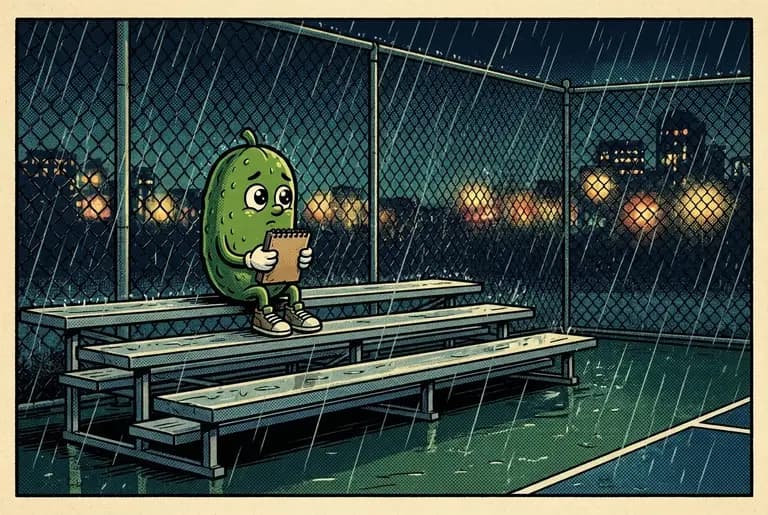
Night rain over an empty pickleball court; tiny young Dill sits alone on the highest bleacher row, knees hugged, watching the storm, city lights far beyond the fence.

Covenant Courts, years before anyone wore a sweatband. Rain. Empty courts. And the smallest spectator in the world.

Young Dill: Everyone fits somewhere. I've checked. Everywhere's taken.

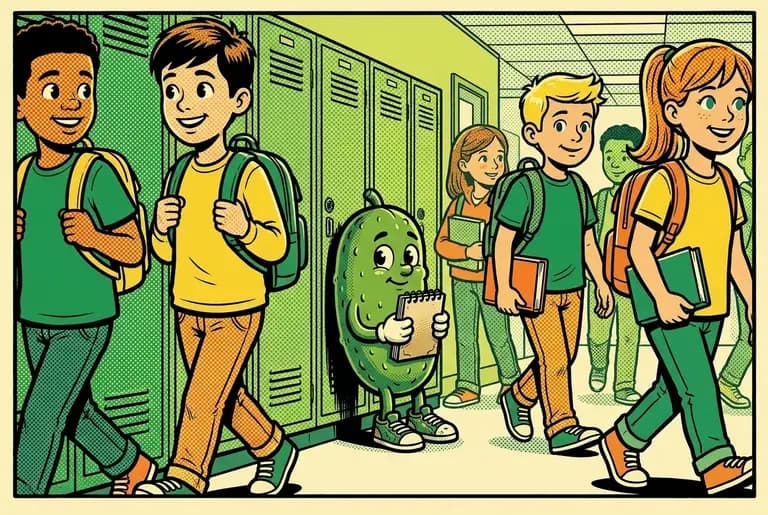
Flashback: a bustling school hallway of human kids towering over tiny young Dill, who presses against the lockers clutching a strategy notebook.

He was the only pickle anyone had ever seen. School had a thousand doors and none of them were his size.

Kid: Heads up โ€” don't step on the... vegetable?

Young Dill: Technically a fermented cucumber. Nobody? Okay.

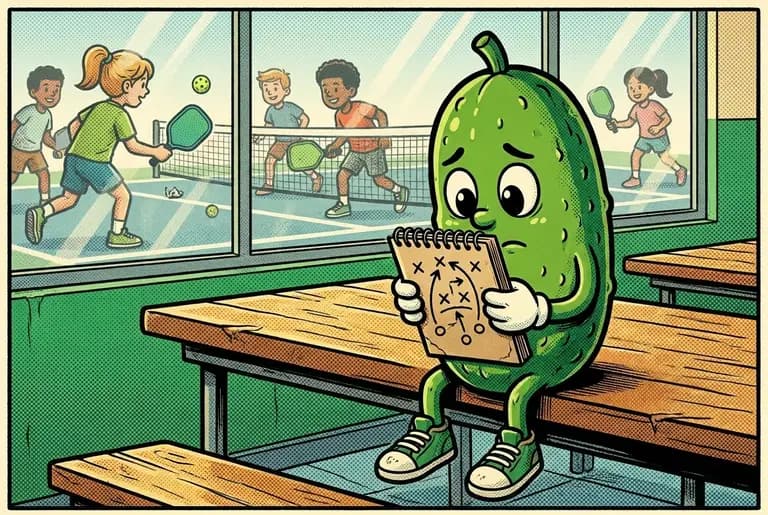
Young Dill alone at a lunch table drawing pickleball plays and diagrams in a worn notebook, arrows and Xs everywhere, one eye on the far-off kids playing.

So he watched. And mapped. If he couldn't join the game, he would understand it better than anyone alive.

Young Dill: Third-shot drop beats power. On paper. Everything works on paper.

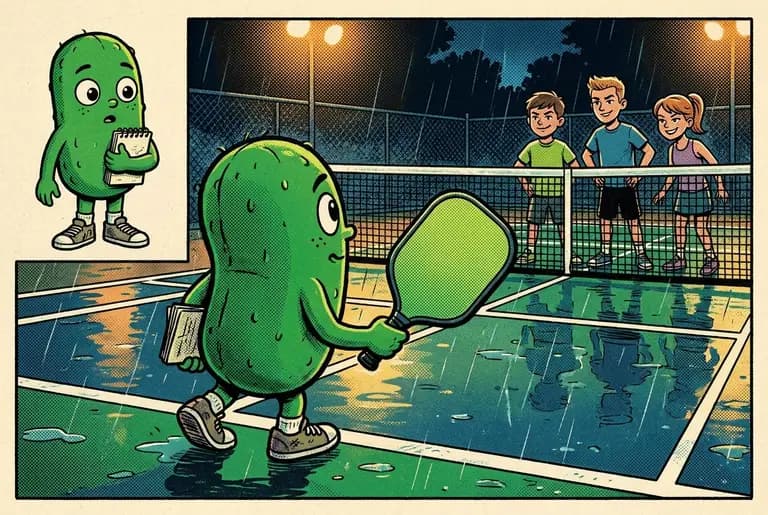
Dusk on a public court: young Dill steps up to the baseline with his notebook and a paddle while older kids smirk from the opposite side of the net.

One evening he decided paper wasn't enough. His first real game. His whole notebook, ready.

Older kid: The gherkin plays! This'll be quick.

Young Dill: Dill. And yes. Quick is the plan.

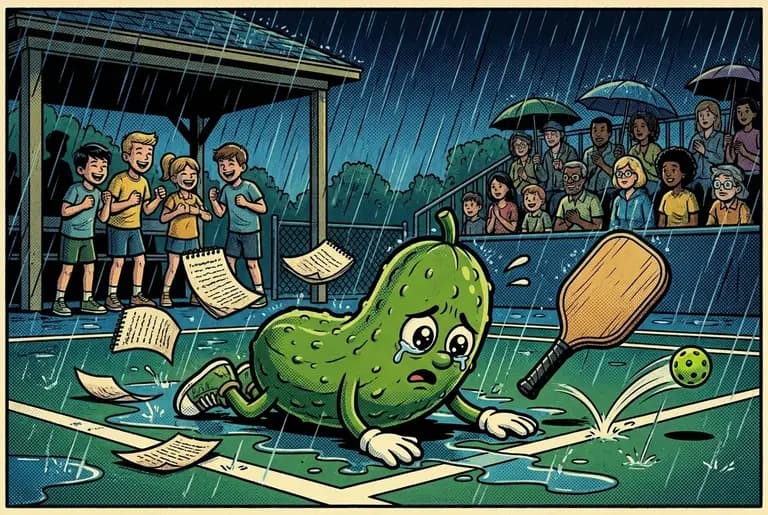
The rally goes wrong: young Dill sprawled on the court, paddle bounced away, ball rolling off, older kids laughing while rain begins to fall.

The plan lasted four points. The laughter lasted much longer.

Young Dill: ...The paper didn't mention knees.

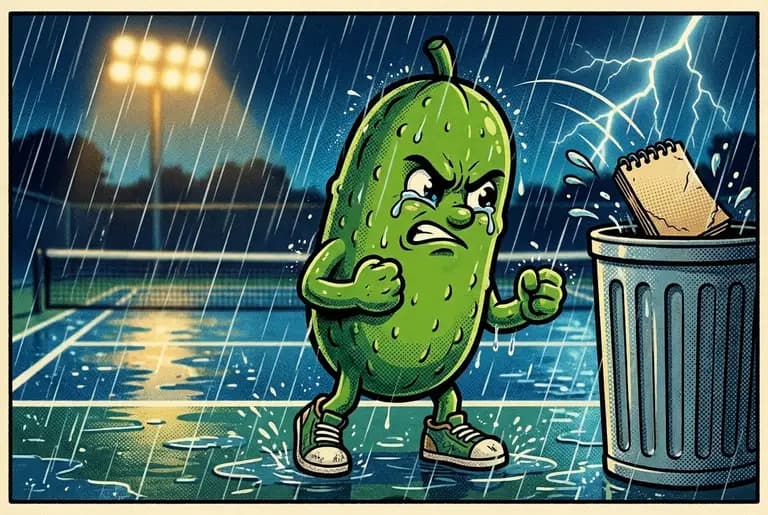
Young Dill hurls his notebook into a trash can in the rain, fists clenched, face caught between tears and fury, lightning far away.

Something happened that night that was worse than losing. He decided the world was right about him.

Young Dill: Fine. Small. Odd. Alone. Noted. FOREVER noted.

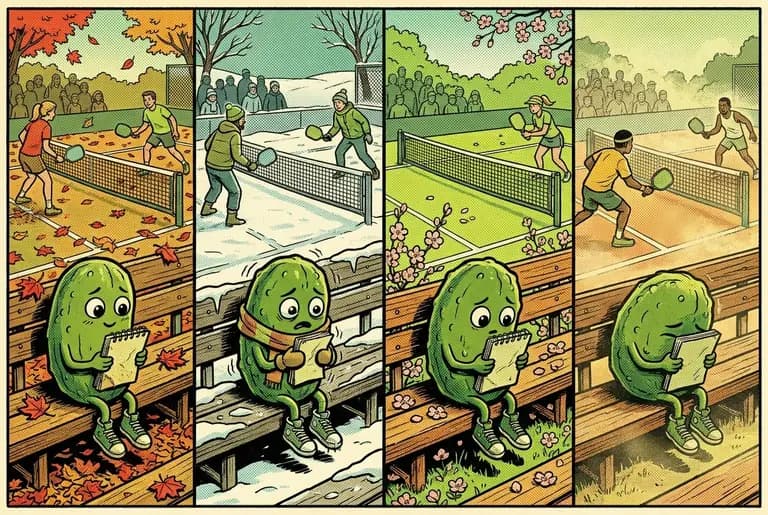
Montage panel: seasons passing over the same bleachers โ€” young Dill alone in autumn leaves, winter snow, spring blossoms, always watching, never playing, face hardening.

The brine works slowly. Fear first. Then anger to keep the fear company. Seasons of it.

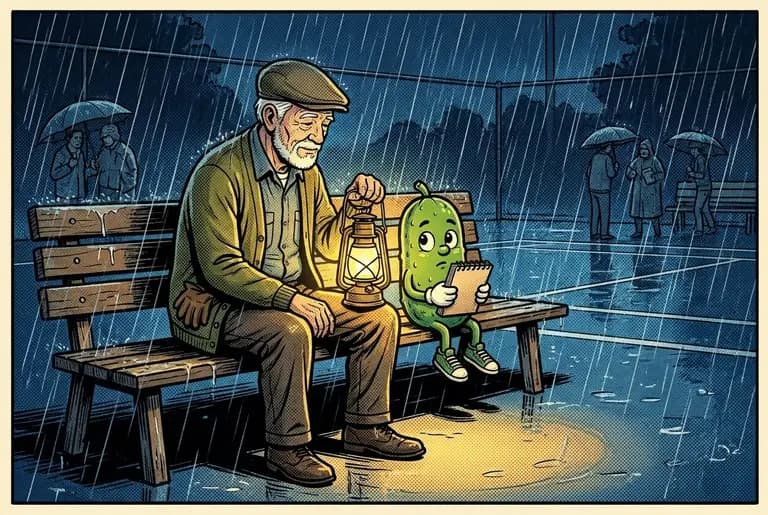
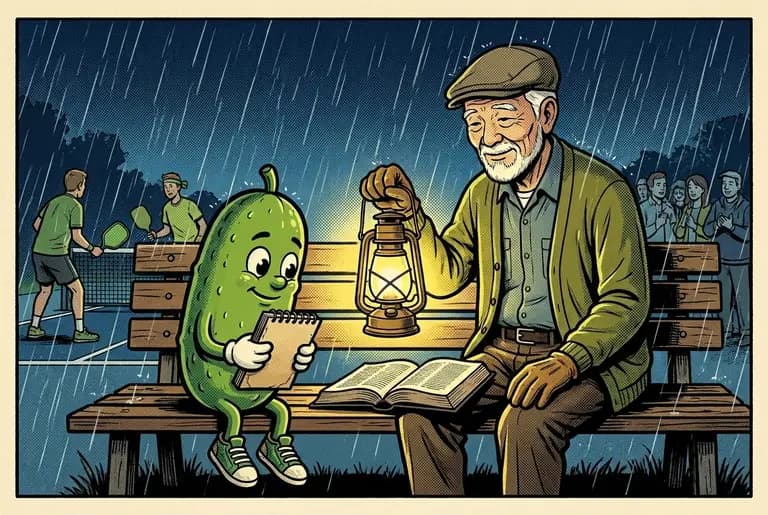
An elderly groundskeeper with a lantern discovers rain-soaked young Dill on the bleachers at night and, saying nothing, sits down beside him on the wet bench.

Then one rainy night, the old groundskeeper who locked the gates did something no one had done in years. He sat down.

Groundskeeper: Fine bench. Best view of the storm.

Young Dill: ...You're sitting in the rain.

Groundskeeper: So are you. Seemed rude to let you win.

Under the groundskeeper's lantern, an old Bible lies open on the bench between them; young Dill leans in despite himself, rain easing, warm light on both faces.

The old man didn't fix him. Didn't coach him. Just opened a battered old book and read one line into the rain.

Groundskeeper: 'God didn't give us a spirit of fear, but of power, love, and self-control.'

Young Dill: ...Then who gave me mine?

โ€œFor God didn't give us a spirit of fear, but of power, love, and self-control.โ€ โ€” 2 Timothy 1:7 (WEB)

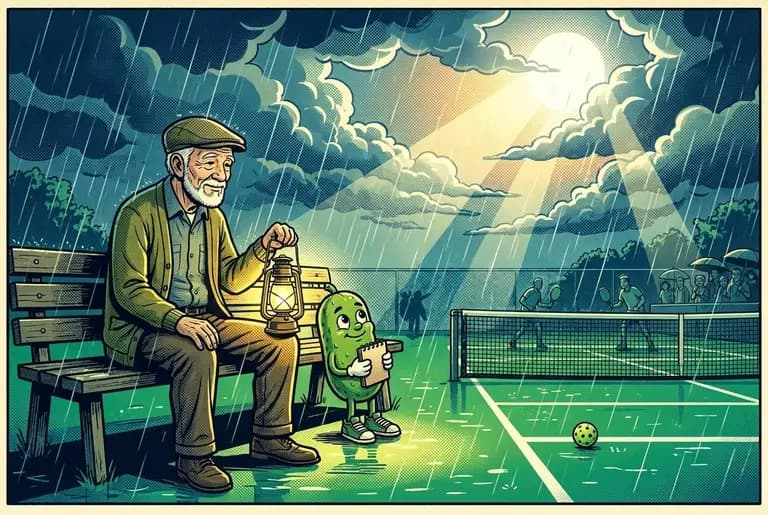
The storm breaks open to rays of light over the court as young Dill and the groundskeeper watch from the bench, the lantern still glowing.

The rain stopped. The question didn't. And a small, curious pickle decided โ€” for the first time in years โ€” to find out.

Groundskeeper: Same bench next week, kid. Bring the question.

The moral

Fear is a brine: sit in it long enough and it seeps into everything, and you start calling it who you are. Little Dill soaked in it for years โ€” too small, too odd, too different. But fear was never God's gift to him, or to you. What hardens a heart can be poured out, and even the longest soak doesn't get the final say.